Showing posts with label freezing vegetables. Show all posts
Showing posts with label freezing vegetables. Show all posts
Friday, September 18, 2009
Vegetable Pancakes
 3:29 AM |
  Posted by
Jessica |
Posted by
Jessica |


Making pancakes out of vegetables is a fun way to get your children to eat vegetables. Pancakes can be made from all kinds of vegetables such as carrots, parsnips, sweet potatoes, corn, spinach and other greens, and squash. The basic recipe for using any of these vegetables in pancakes is 4 eggs, 2 cups of veggies (shredded works best for the harder ones, greens should be cooked and chopped) about a cup of flour or more to make the batter thick enough, seasonings such as herbs, salt, pepper, onions, or garlic powder, and lastly oil for frying the pancakes. The following recipe is a different variation of a vegetable pancake that uses corn as the main vegetable, but could be replaced by any of the aforementioned vegetables.
Corn and Cornmeal Pancakes
2 cups corn kernels ( if frozen, thaw a little) pulsed in food processor 10-12 times or chopped with a knife until coarsely chopped
4 large eggs
1/2 cup yogurt
1/2 cup silken tofu
1/4 cup minced onion or 1/2 cup scallions thinly sliced
1/4 tsp Tabasco sauce
1 cup cornmeal
1/2 cup flour
1 tsp baking powder
1 tsp sugar
1 tsp salt
chopped parsley and/or diced red peppers can be added for color but are not necessary
Put corn in to a big bowl; add ingredients up to Tabasco sauce and mix. Add dry ingredients and stir until moistened. Pour small amount of oil on a hot pan and spoon scant 1/4 cup batter and brown on both sides.
Corn and Cornmeal Pancakes
2 cups corn kernels ( if frozen, thaw a little) pulsed in food processor 10-12 times or chopped with a knife until coarsely chopped
4 large eggs
1/2 cup yogurt
1/2 cup silken tofu
1/4 cup minced onion or 1/2 cup scallions thinly sliced
1/4 tsp Tabasco sauce
1 cup cornmeal
1/2 cup flour
1 tsp baking powder
1 tsp sugar
1 tsp salt
chopped parsley and/or diced red peppers can be added for color but are not necessary
Put corn in to a big bowl; add ingredients up to Tabasco sauce and mix. Add dry ingredients and stir until moistened. Pour small amount of oil on a hot pan and spoon scant 1/4 cup batter and brown on both sides.
 Labels:

Monday, September 14, 2009
Local Food All Year Long
One of the easiest ways to preserve the harvest and enjoy some local food all year long is to freeze fresh corn and other vegetables.
One rainy August day last year we bought 1 bushel of fresh corn at the local farmer’s market. The kids and my husband shucked it outside on the deck in their raincoats and hats, and proudly brought it to me in the kitchen. I then cut it off the cob, blanched it, and froze it. This produced two 1-gallon zip lock bags full of fresh corn once it was frozen, enough to last us all year. That was for a 4-person household who uses corn about 2 times a month. You can do more or less depending on how many people you are serving and how much you eat corn. Sometimes you just have to guess and keep notes of how much you used and when you ran out so that you can adjust the quantity for next year.
To cut fresh corn off the cob, after shucking, place larger end of corn in a large bowl and hold onto the pointier end firmly. Using a sharp knife, cut from the end you are holding down to the bottom and repeat turning the corn as you go. The kernels of corn should pop off quite easily but you do want to make sure that you are getting enough of the kernel off the cob.
After cutting all the corn off the cob, place corn in a large pot of boiling water and bring the water back to a boil for just a minute or 2. If you don’t have a very large pot you can just cook the corn in a smaller pot in batches. Drain the corn in a colander, letting it sit for 10 minutes or so to drain fully. Line cookie sheets with clean towels and spread corn out onto the towels. Let the corn sit on the towels for an hour or so to dry them as much as possible and then remove the towels leaving the corn on the cookie sheets. Now you can freeze the corn and when it is frozen you can easily transfer it to a gallon zip lock bag and the kernels should not be stuck together. When you are ready to use some corn you just take out the desired amount and reseal the bag.
You can also use this same technique of preparing vegetables, blanching, drying, and freezing in bags to preserve green beans, wax beans, spinach, kale, cauliflower, and broccoli. The trick is to make sure the vegetables are as close to completely dry as possible before freezing.
One rainy August day last year we bought 1 bushel of fresh corn at the local farmer’s market. The kids and my husband shucked it outside on the deck in their raincoats and hats, and proudly brought it to me in the kitchen. I then cut it off the cob, blanched it, and froze it. This produced two 1-gallon zip lock bags full of fresh corn once it was frozen, enough to last us all year. That was for a 4-person household who uses corn about 2 times a month. You can do more or less depending on how many people you are serving and how much you eat corn. Sometimes you just have to guess and keep notes of how much you used and when you ran out so that you can adjust the quantity for next year.
To cut fresh corn off the cob, after shucking, place larger end of corn in a large bowl and hold onto the pointier end firmly. Using a sharp knife, cut from the end you are holding down to the bottom and repeat turning the corn as you go. The kernels of corn should pop off quite easily but you do want to make sure that you are getting enough of the kernel off the cob.
After cutting all the corn off the cob, place corn in a large pot of boiling water and bring the water back to a boil for just a minute or 2. If you don’t have a very large pot you can just cook the corn in a smaller pot in batches. Drain the corn in a colander, letting it sit for 10 minutes or so to drain fully. Line cookie sheets with clean towels and spread corn out onto the towels. Let the corn sit on the towels for an hour or so to dry them as much as possible and then remove the towels leaving the corn on the cookie sheets. Now you can freeze the corn and when it is frozen you can easily transfer it to a gallon zip lock bag and the kernels should not be stuck together. When you are ready to use some corn you just take out the desired amount and reseal the bag.
You can also use this same technique of preparing vegetables, blanching, drying, and freezing in bags to preserve green beans, wax beans, spinach, kale, cauliflower, and broccoli. The trick is to make sure the vegetables are as close to completely dry as possible before freezing.
Subscribe to:
Posts (Atom)
About Me

- Jessica
- With a degree in Restaurant Managment and Nutrition and a background in and love of the culinary arts, Jess is able to whip up delicious yet nutritious meals. She gardens extensively and uses what she grows to feed her family not only during the summer and fall but throughout the winter and spring by preserving and freezing the fresh produce. She is committed to growing, buying, and eating as much local food as possible. She started this blog to spread information about eating locally and its benefits. She also wanted to have a forum to share the recipes she uses and the stories she writes. She would love the opportunity to be able to share this knowledge to increase the amount of people using local and organic products.
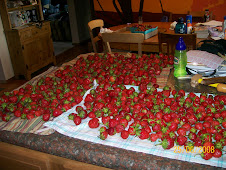
The fruits of our labor